
Dimethyl sulfoxide (DMSO) has long been recognized as a powerful polar aprotic solvent, widely used in pharmaceuticals, agrochemicals, and specialty chemical synthesis. However, as industries shift toward higher precision manufacturing and sustainability-driven processes, DMSO is beginning to find new relevance beyond its traditional roles.
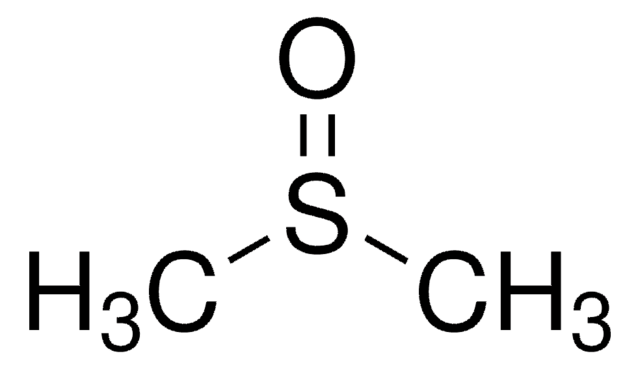
In particular, two high-value sectors are quietly exploring its potential:
· Semiconductor cleaning
· Electrolyte recovery in energy systems
These applications are not yet mainstream, but they represent a meaningful shift in how DMSO is perceived and utilized.
Before diving into applications, it is worth revisiting what makes DMSO technically interesting.
Property | Value / Characteristic | Relevance |
Polarity | High | Dissolves a wide range of organic & inorganic compounds |
Boiling Point | ~189°C | Suitable for high-temperature processes |
Miscibility | Water & organics | Flexible in multi-phase systems |
Toxicity | Relatively low (industrial grade caution) | Safer alternative to some solvents |
Chemical Stability | Strong | Compatible with complex formulations |
These properties position DMSO as a candidate for precision cleaning and chemical recovery systems, where both solvency and stability are critical.
Semiconductor fabrication increasingly involves:
· Advanced photoresists
· Complex multilayer structures
· Nanoscale contamination control
Traditional solvents such as NMP (N-Methyl-2-pyrrolidone) have been widely used but face regulatory pressure and health concerns.

DMSO offers several advantages in this context:
· Strong solvency for photoresist residues
· Lower volatility compared to conventional solvents
· Potential compatibility with delicate substrates
It can be used in:
· Photoresist stripping
· Post-etch cleaning
· Residue removal in advanced nodes

Parameter | DMSO | NMP | PGMEA |
Toxicity Profile | Moderate | Higher concern | Moderate |
Boiling Point | High | High | Medium |
Solvency Strength | Strong | Strong | Moderate |
Regulatory Pressure | Lower | Increasing | Moderate |
DMSO is not a direct replacement in all cases, but it is increasingly evaluated as a safer and more sustainable alternative.
With the expansion of:
· Lithium-ion battery production
· Electrochemical processes
· Industrial electrolyte systems

there is rising demand for efficient recovery and recycling of electrolytes.
DMSO can contribute in several ways:
· Selective dissolution of target components
· Acting as a separation medium
· Improving recovery efficiency in mixed solvent systems
Typical use scenarios include:
· Recovery of lithium salts
· Separation of organic electrolyte components
· Cleaning and regeneration of electrolyte systems
· Reduces waste generation
· Enables higher recovery yields
· Compatible with multi-step purification processes
In a world obsessed with “green chemistry” buzzwords, this is one of the few cases where the claim actually has some technical grounding.
It is important to acknowledge real technical challenges.
· High boiling point → energy-intensive removal
· Strong solvency → potential material compatibility issues
· Odor and handling concerns in large-scale operations
Process design must account for:
· Efficient recovery systems
· Material compatibility testing
· Cost-performance balance
DMSO is unlikely to replace established solvents overnight, especially in highly optimized industries like semiconductor manufacturing. However, its role is evolving from:
“just another solvent”
to
“a functional tool in advanced and sustainable processes”
As regulatory pressure increases and industries seek safer alternatives, DMSO may gradually move into:
· Niche semiconductor applications
· Hybrid cleaning systems
· Closed-loop recovery processes
DMSO’s emerging applications in semiconductor cleaning and electrolyte recovery highlight a broader trend: traditional chemicals are being re-evaluated under new technological and environmental demands.
For companies willing to explore beyond conventional uses, DMSO offers:
· Technical versatility
· Regulatory advantages
· Alignment with sustainability goals
The question is no longer whether DMSO can be used in these fields, but how far its role can expand.




Check that your browser version is too low,
In order not to affect the normal use of the site, please directly upgrade your browser, or use other browsers such as: firefox, Google.
